Glen, Pass and Moor: Five British Roads That Deserve an MV Pilgrimage
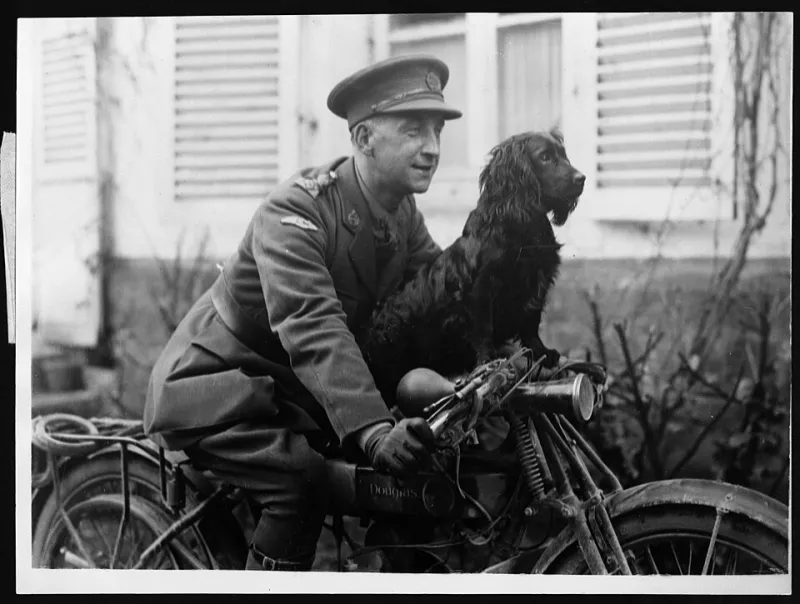
Photo: National Library of Scotland, No restrictions, via Wikimedia Commons
An MV Agusta is not a bike that enjoys being pointed at a dual carriageway. It wants direction changes, a bit of gradient, and corners that arrive with enough spacing to use the gearbox properly. Britain has plenty of those — you just have to be willing to travel and to check the forecast more than once.
These five are worth the fuel.
1. The A82: Loch Lomond to Glen Coe
Start at Balloch and head north. The road runs tight against the western shore of Loch Lomond before opening out across Rannoch Moor — a vast, bleak, magnificent stretch of nothing where the surface rises and falls and the horizon tilts in a way that makes the front end feel alive. Then the descent into Glen Coe itself, which is as close as Britain gets to a film set.
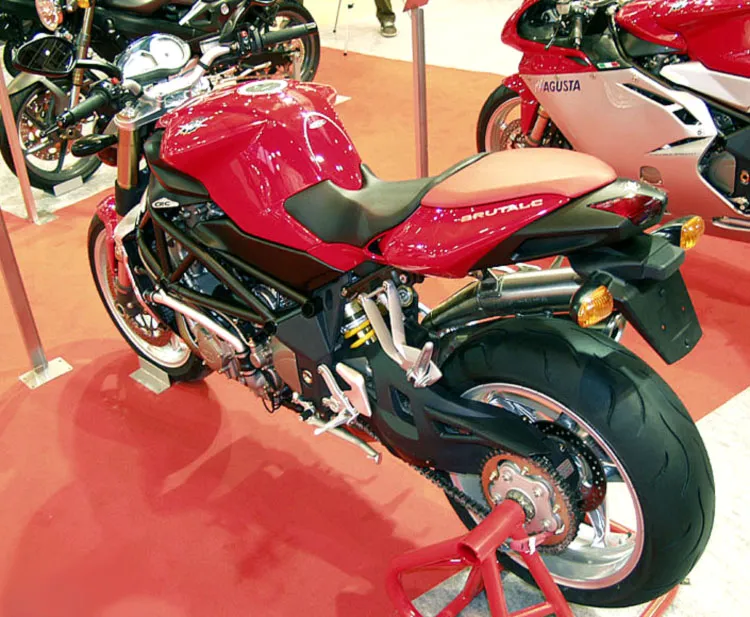
Why it suits an MV: long, fast sweepers that load the chassis progressively, and enough elevation change to feel the torque of the three-cylinder engine doing the work rather than the revs. The Brutale's upright stance is arguably the better companion here, since you can see over the verges and enjoy the view without craning.
Practicalities: fuel at Balloch, Crianlarich and Fort William. Traffic in summer is genuinely slow — caravans, camper vans, and coach parties — so go early, ideally before eight. Weather can turn in twenty minutes, and the moor is exposed to wind in a way that will remind you what a light bike feels like in a crosswind.
2. The A939 Snow Roads: Cock Bridge to Tomintoul
This is the Lecht, and it is a proper mountain road in the Scottish sense: narrow, undulating, punctuated by blind crests and tightening bends that punish optimism. The summit sits high enough that the weather is a different climate from the valley floor, and the road is routinely affected by snow gates in winter.
Why it suits an MV: it is all about braking stability and front-end confidence — exactly the areas where the F3's chassis shines. Short bursts between corners rather than long sustained throttle. It is a technical road, and a technical bike makes it rewarding rather than frustrating.
Practicalities: fuel at Ballater and Grantown-on-Spey, and not much in between. Sheep, cattle grids and gravel washed onto the surface after rain are the three hazards to expect. Ride it in late spring or early autumn on a dry day and it is one of the best short roads in the country.
3. The A4086 Llanberis Pass and the Surrounding Welsh Triangle
Snowdonia gives you options: the Llanberis Pass itself, the run past Pen-y-Pass, and the tangle of A543, B4501 and A5 that enthusiasts have been circulating for years. The scenery is dramatic, the surfaces are usually decent, and the corners come with real camber.
Why it suits an MV: this is quickshifter territory. Short, punchy climbs followed by tight technical descents, with braking zones that reward confidence. A quick-shifting triple or four makes the whole loop feel like a sequence rather than a series of separate corners.
Practicalities: remember that Wales now applies a default 20mph limit in built-up areas, so village sections need patience. Fuel at Betws-y-Coed is easy; Llanberis is more limited. Expect rain, expect sheep, expect gravel on the apex of anything shaded by a wall, and expect a police presence on fine weekends — ride to the conditions and everyone is happy.
4. The A686: Penrith to Alston
Hartside is the headline, climbing to around 1,900 feet with a series of sweeping bends that let a fast bike breathe. The old cafe site at the summit is a useful landmark, and the descent towards Alston is tighter and more technical than the climb.
Why it suits an MV: it is one of the few English roads with genuine altitude and long sight lines, so you get the combination of big lean angles on the way up and precise, repeated direction changes on the way down. The F3 feels tailor-made for it.
Practicalities: fuel at Penrith and Alston. The road is popular with cars, cyclists and other riders, so treat it as a shared space. Ice lingers in the shaded cuttings well into spring, and the wind at the top can be brutal even in July.
5. The A2 Causeway Coastal Route, County Antrim
From Larne around the coast towards Ballycastle and on to Portrush, with the option of the narrow loop out to Torr Head. Sea on one side, cliffs and green fields on the other, and a surface that rises and falls with the land rather than following a surveyor's line.
Why it suits an MV: it is a rhythm road, not a top-speed road. Lots of third and fourth gear, lots of rolling throttle, and a bike with sharp steering and strong midrange makes it delightful. It is also a reminder that an MV is as much a style object as a performance tool — this is a route to be seen on.
Practicalities: ferries from Cairnryan or Liverpool, fuel at Larne, Ballycastle and Portrush. The Torr Head section is single-track with passing places and should be treated with respect. Wind off the sea is a constant.
Planning Around British Weather
Build flexibility into any trip that involves Scotland or high ground. A two-day window with one decent morning is worth more than a long-planned weekend that gets rained off. Check mountain weather forecasts, not just the nearest town's, and remember that a pass which is dry at the bottom can be foggy, windy and cold at the top.
Carry a small can of chain lube, a plug kit, a compressor and a proper waterproof layer. And plan fuel stops with margin — rural filling stations keep shorter hours than you expect, and a Sunday in the Highlands is not the time to be running on reserve.