The Last 300 Millimetres: Making an MV Agusta’s Rear End UK-Legal

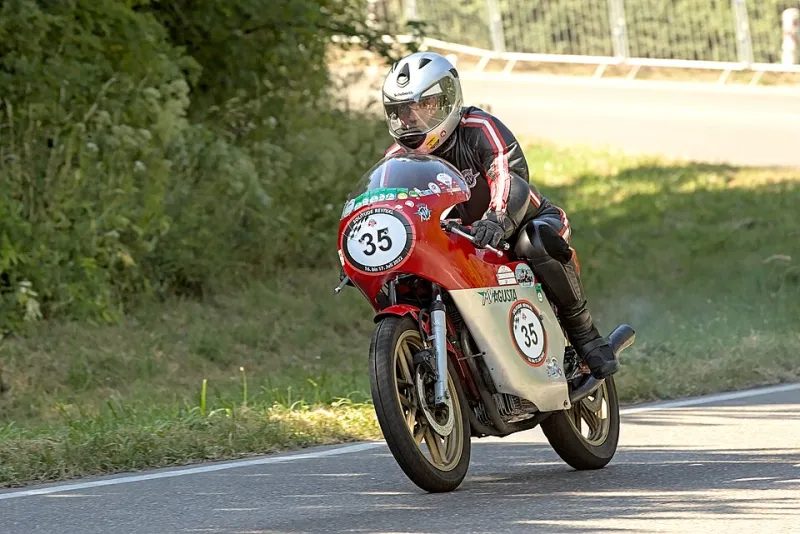
The rear end of an MV Agusta is a design statement. On a Brutale it’s a sharpened wedge of subframe and light; on an F3 it’s a fairing-led exit where the exhaust, plate hanger and indicators all compete for the last few centimetres. Then Britain adds paperwork. A tail tidy can make that statement cleaner, but it can also turn a beautiful motorcycle into a roadside conversation. The trick is to tidy the bracket, not the law.
Why the back end attracts trouble
Plates are easy to read, easy to photograph and easy to measure. That makes them a favourite of camera vans, ANPR and the constabulary. The MoT also has a view: the tester checks what is fitted, whether it is secure, visible and working. Add insurance to the mix — a tail tidy is a modification, however small — and the last 300 millimetres of your MV deserve more thought than the average fender eliminator kit suggests.
None of this means you must keep the factory scaffolding. It means the finished job has to satisfy the same basic rules as the bike did when it left Varese.
The plate: 229 by 178, and no clever stuff
For a motorcycle first used after 1 September 2001, the rear plate must be 229mm wide and 178mm high. Characters are 64mm high, 44mm wide, with a 10mm stroke and 10mm spacing; margins are 11mm. The background is yellow and reflective, the characters are black, and the font is the standard one. No italics, no narrowed letters, no decorative bolts that turn an “O” into a “Q”.
Buy from a proper plate supplier and take the documents they ask for. A show plate is for shows. If the plate is tilted so far back that it becomes a wing, or tucked so far forward that it disappears under the seat unit, you have created a problem. The law wants it fixed vertically or as near as practicable, clearly visible from behind. In plain terms: if a following driver cannot read it at a sensible distance, neither can a camera — and that is exactly when someone decides to have a closer look.
Keep the plate lamp, too. A white light must illuminate the rear plate at night. Tail tidy kits often delete the original lamp or leave the wiring dangling; neither is a premium look.
Reflectors, lamps and the bits that get forgotten
A red rear reflector is required. It should be mounted within the height limits set out in the lighting regulations, and it must not be hidden by the plate, a tail bag or a folded-up pillion seat. Some aftermarket units combine reflector and plate lamp in one tidy package; that can work well, provided the reflector is genuinely red and visible, not a dark tinted styling piece.
Check the plate light, the rear light and the brake light after fitting. A tail tidy that looks superb in the garage but leaves the plate unlit at 10pm on an A-road is not finished. This is basic ownership stuff, but it is also exactly what an MoT tester will notice.
Indicators: spacing, marking and the tail tidy trap
If your MV has indicators fitted — and a post-1986 machine will — they need to comply with the lighting rules. Aftermarket LEDs should be approved and marked appropriately; a tiny unbranded set from an auction site may look sharp but may not satisfy the tester or an insurer. Rear indicators on a solo motorcycle also have a minimum separation: at least 180mm apart at the rear, with height and visibility requirements to match. Many tail tidy kits pull the indicators inboard, sometimes dramatically. That is where a cosmetic upgrade becomes a construction issue.
Use proper stalks, keep the wiring protected, and make sure the indicators are visible from behind and from the side. If you are fitting a kit that requires you to cut or drill the original loom, do it properly with connectors and heat-shrink, not a twist-and-tape job. MV electrics are not the place for optimism.
The mudguard is not just decoration
A tail tidy is a bracket, not an exemption. British rules require a rear mudguard that does useful work — catching spray and debris rather than firing it at the rider behind. The regulations set a minimum arc of coverage behind the wheel centre, and a tiny plate hanger that deletes the guard entirely may not meet it. In practice, a well-designed kit keeps a short but functional guard or hugger arrangement. A plate flapping in the breeze with no protection is not clever, and it is miserable in the wet.
This is also a practical British point. Our roads are damp, gritty and often salty for months. A rear end that throws water up the back of your jacket and onto the reg plate will look less “factory race” and more “unfinished project” by the second tank of fuel.
Brutale notes
The Brutale’s exposed rear subframe makes a tail tidy tempting because there is so little bodywork to hide behind. It also makes poor fitting obvious. Check that the kit uses the original mounting points properly, that the plate sits at a sane angle, and that the indicator stalks do not foul the pillion grab rail or a tail pack. If you ride two-up or use a seat cowl, test both before you commit. A plate that disappears when the suspension compresses is a fail waiting to happen.
F3 notes
The F3 has more going on underneath: fairing panels, exhaust routing and a plate hanger that has to work around heat. Keep the plate and indicators clear of the exhaust outlet, and check for melting or vibration after the first long ride. The F3’s rear lighting and wiring are best treated with respect; use the proper connectors and secure the loom away from moving parts. A tidy that looks integrated on a naked bike can look bolted-on on a faired one, so choose a kit that follows the F3’s lines rather than fighting them.
Insurance and roadside reality
Tell your insurer about the tail tidy. It is a modification, even if it is mostly cosmetic, and “mostly” is not a word underwriters enjoy after a claim. Some policies will not care; some will. Better to know now. Keep receipts and photographs of the finished job, especially if you have an agreed-value policy.
On the road, a non-compliant plate or a missing reflector can attract a fixed penalty and a requirement to rectify. In 2026, camera enforcement and ANPR are part of ordinary British riding. The cleanest rear end in the world is no consolation if it makes your MV memorable for the wrong reason.
A twenty-minute self-check
- Plate: correct size, yellow, black standard characters, secure, near vertical, visible.
- Plate lamp: fitted, white, working, not obscured.
- Reflector: red, visible, mounted sensibly.
- Indicators: approved, working, correctly spaced, visible from behind and side.
- Mudguard: still catches spray; no sharp edges or loose brackets.
- Wiring: protected, secured, no chafing on the tyre or exhaust.
- Insurance: modification declared.
A tail tidy should make the back of your MV look more considered, not less. Do the measuring, keep the useful bits, and let the law stay boring. The art is in the ride; the legend is easier to own when the plate is right.