Little and Often: Why the Short MV Agusta Ride Is the One That Counts
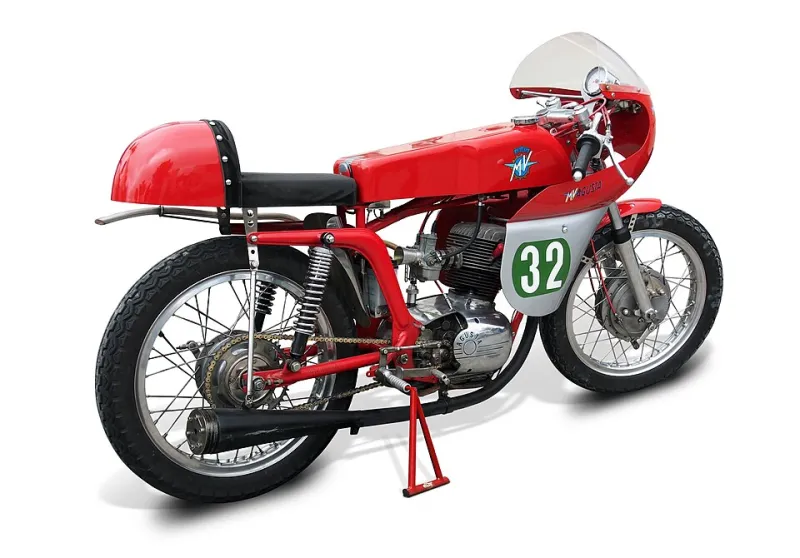
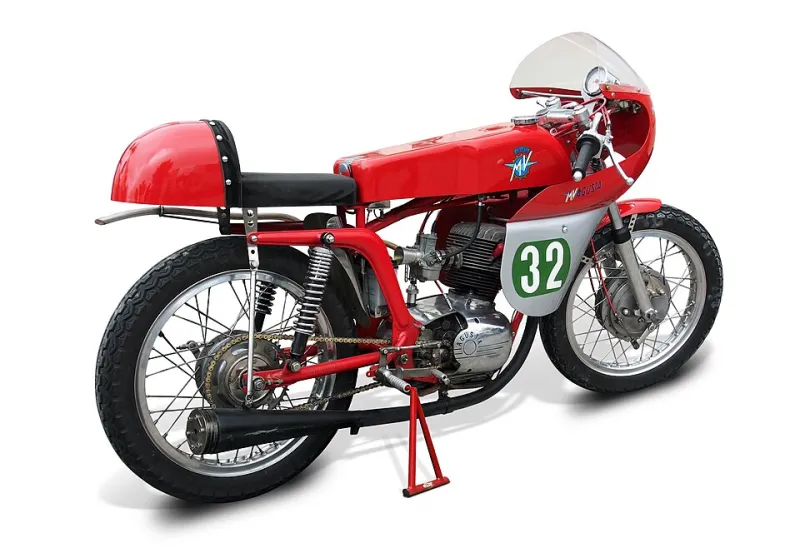
Photo: Foto: User:Alfvanbeem / Zusammenstellung, Retusche & Freisteller: Auge=mit, CC BY-SA 3.0, via Wikimedia Commons
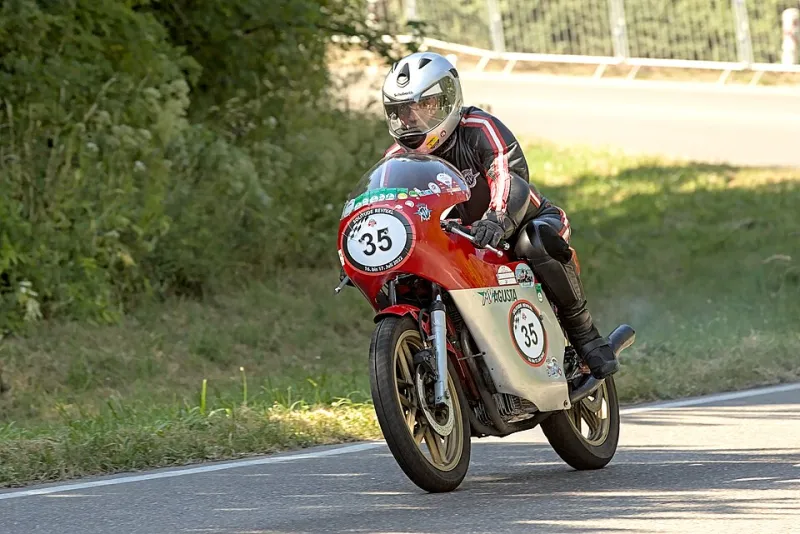
There's a certain romance to the big day out. The early start, the flask, the route plotted across three counties, the smug WhatsApp photo from a hilltop cafe. It's brilliant. It's also, for most of us, a rare event. Between work, weather and the general admin of being a grown-up, the calendar rarely offers up eight clear hours with a bow on top.
So here's a modest proposal: stop treating the short ride as the consolation prize. The 45-minute window — the pre-work blast, the lunchtime loop, the Sunday-evening reset — is not a lesser form of motorcycling. In many ways it's the truest form. It's the one you can actually do.
The tyranny of the big ride
We've all done it. Planned a monumental route, watched the forecast deteriorate all week, then binned the whole thing because it wasn't going to be perfect. The bike sat under its cover. The battery gently sulked. Meanwhile, the people actually enjoying their motorcycles are the ones who nipped out for a quick one before the rain arrived.
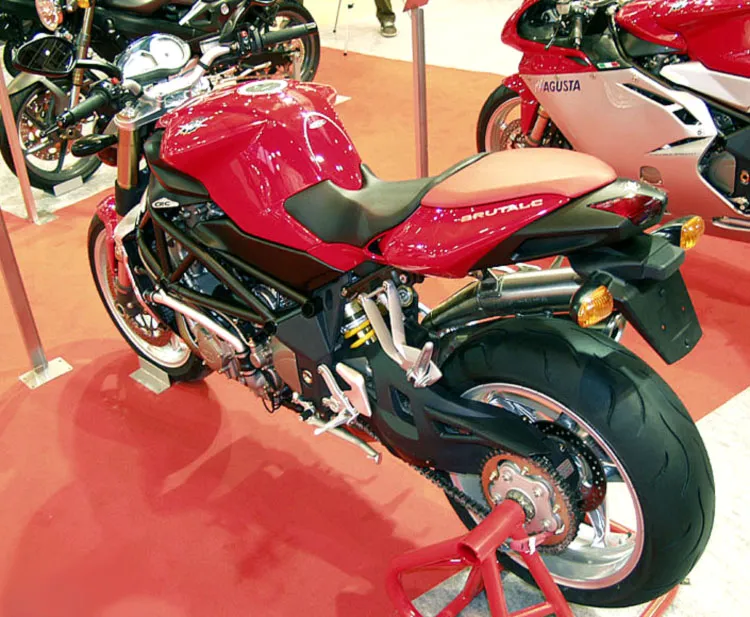
MV ownership can encourage this all-or-nothing thinking. These are special machines, and there's a temptation to save them for special occasions. But a Brutale that only turns a wheel twice a year isn't being cherished — it's being pickled. The short ride keeps the bike alive, keeps you sharp and keeps the relationship ticking over.
What forty-five minutes actually does
A short ride resets your head in a way that a commute rarely manages. It's long enough to warm the tyres, find a rhythm and remember why you bought the thing. It's short enough that you don't need to negotiate with your family, your boss or the weather gods for an entire day.
It also keeps the bike honest. Regular short runs surface small issues early — a soft tyre, a sticky lever, a chain that's drifted out of adjustment — before they become roadside dramas. And frankly, any excuse to hear that engine at full chat through a tunnel is a public service.
Choosing a route that respects the clock
The mistake with short rides is trying to cram in too much. A 45-minute window is not the time to chase a distant pass or a legendary B-road two counties away. It's the time to know your local patch intimately.
Start with a simple loop: ten minutes out, twenty minutes of interesting road, fifteen minutes home. Look for the bits you'd normally ignore — the unglamorous B-road that skips a town, the stretch of dual carriageway that gets you to the good bit quickly, the little ring of lanes that circles a village. In Surrey, the Cotswolds, the edges of the Peak District or the lanes north of Leeds, you're rarely more than twenty minutes from something decent.
Use the boring roads to travel and the fun roads to play. Don't waste your window on a slow A-road crawl when a parallel B-road will do. And always have a bail-out turn — a quick route home if the weather turns or time runs short.
Bike readiness when you're not going far
Counterintuitively, short rides demand more discipline, not less. You're not doing a pre-tour checklist, so the small stuff gets skipped. Don't let it.
A quick walkaround takes ninety seconds: tyres, chain, lights, controls. Check the tyre pressures weekly rather than monthly — short rides often mean fewer miles but more cold starts, and under-inflation dulls the steering on these bikes noticeably. Keep the battery on a tender if the bike lives outdoors or does mostly short hops; repeated brief runs are hard on charging systems.
And warm it properly. A short ride doesn't mean you skip the gentle phase. Give it a few miles before you go chasing the redline. The engine will thank you, and so will your neighbours.
Kit for the quick blast
The temptation is to sling on an old jacket and go. Resist it. Short rides happen in the margins of the day, which means mixed conditions and lower temperatures than you'd choose. A decent textile jacket, gloves that actually fit, and boots you can walk in are the practical baseline. If it's a pre-work run, you need kit that gets you to the office without looking like you've slept in a hedge.
Keep a small stash by the door: a neck tube, a lightweight waterproof, a disc lock. The easier it is to get out, the more often you'll do it.
Security at the other end — and at home
Short rides often mean short stops: a coffee, a phone call, a quick errand. That's exactly when bikes get nicked. Take the disc lock. Use the steering lock. Park where you can see it, or where there are people and cameras. If you're stopping at home between rides, don't leave it idling on the drive while you find your wallet.
At home, the usual rules apply: a ground anchor, a decent chain, and ideally a garage. If you're using the bike for quick local trips, you'll be parking it in more places than usual — so make security a habit, not an afterthought.
Weather windows and the British compromise
The British climate doesn't do perfect. It does acceptable. The short ride is how you exploit the acceptable. A dry hour at 7am, a clear evening in October, a sudden gap in the showers — these are your opportunities. Learn to read the radar, keep the bike ready, and go when the window opens rather than waiting for a day that never arrives.
Damp roads are fine. Cold tyres are fine. Just adjust. Short rides are actually ideal for building wet-weather confidence because you're never far from home and never committed to a long, miserable slog.
The rhythm, not the exception
The big trips will still happen. The pilgrimage to Varese, the weekend in Wales, the track day you've been promising yourself. But they shouldn't be the only time the bike moves. The 45-minute rule isn't about limitation — it's about realism. It's about recognising that a motorcycle is best enjoyed often, not perfectly.
So next time you've got three-quarters of an hour and a dry forecast, don't overthink it. Helmet on, engine warm, local loop, home. That's not a compromise. That's the whole point.