Varese, Not Just a Badge: The MV Agusta Pilgrimage from Britain
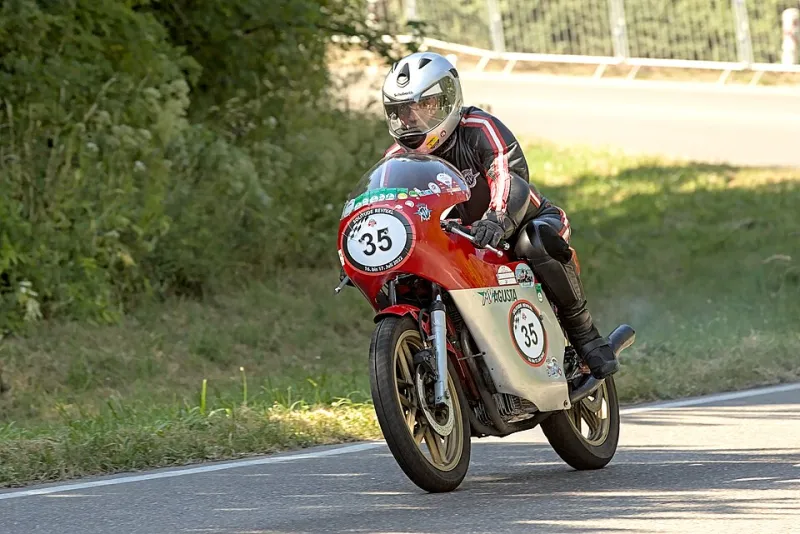
Photo: Alexander Migl, CC BY-SA 4.0, via Wikimedia Commons
There is a moment, somewhere between the Swiss border and the outskirts of Varese, when the trip stops being a holiday and starts feeling like a homecoming. You have ridden across France, maybe slept in a cheap hotel near Dijon, and now the Alps are falling away behind you and the road signs point to a name you have only seen on a badge. For an MV Agusta owner, that name carries weight.
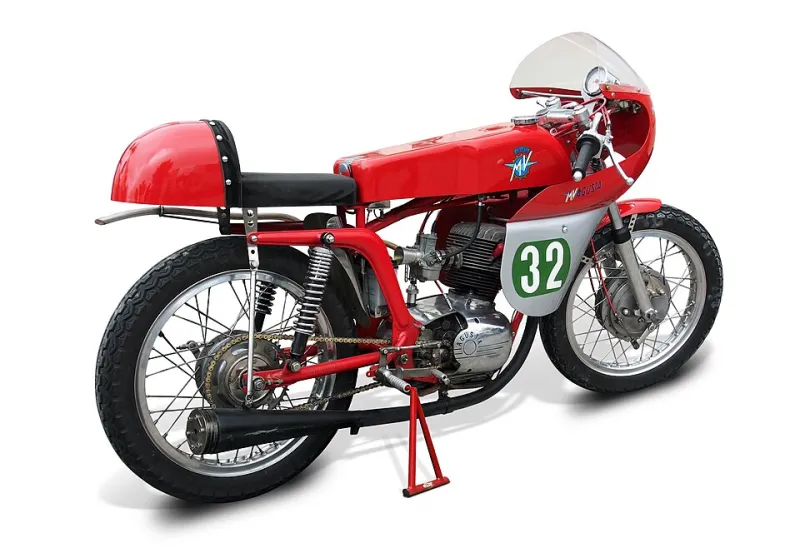
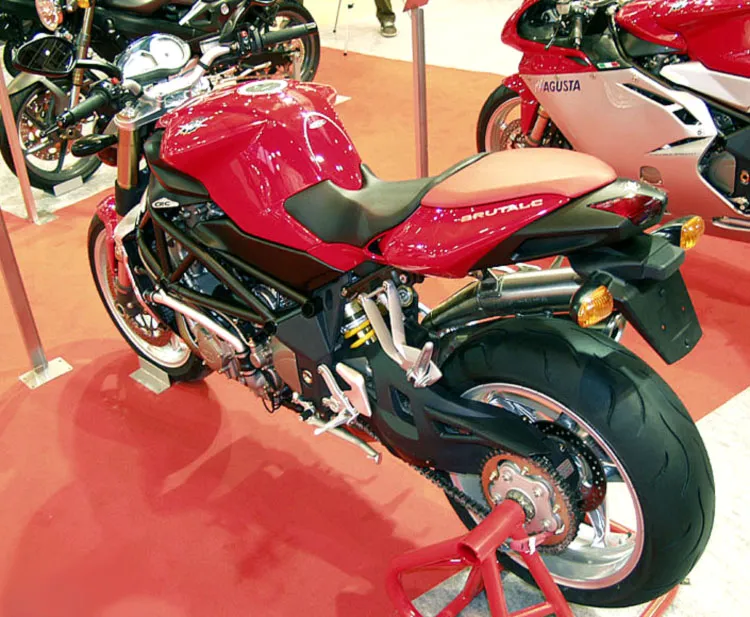
Varese is not simply a place on a map. It is the spiritual home of the marque, the lake-and-mountain backdrop against which the legend was built. Riding there on your own MV changes the relationship you have with the bike in your garage. It stops being a machine you polish on Sundays and becomes part of a story that stretches back to the post-war years.
Why Varese, and why ride there
You could fly to Milan, hire a car and be at Lake Varese in under an hour. Plenty of people do. But the pilgrimage only really works if you arrive on two wheels, with the bike hot and slightly dirty, and the miles behind you. The old works at Cascina Costa and the modern Varese plant sit in a landscape of lakes, forests and pre-Alpine roads that feel purpose-built for motorcycling. Arriving by air feels like skipping the overture.
The ride also gives you time to think. MV Agusta has always been a brand of passion, engineering and a certain stubbornness. A long trip on one of its bikes, with a tank bag strapped down and a route map folded into your jacket, is a fitting way to understand that character.
The crossing: pick your flavour
The quickest option from most of Britain is Eurotunnel from Folkestone to Calais. It is efficient, bike-friendly and gets you onto French soil with minimal fuss. If you live further north, the Hull to Rotterdam ferry can save a long motorway slog and put you directly into the Low Countries. Riders on the south coast often prefer Newhaven to Dieppe for a more relaxed start and a lovely run inland.
Book your bike space early, especially around bank holidays and the start of the summer season. Check your breakdown cover before you go, and make sure it covers the countries you plan to cross. Carry your documents, insurance details and a European health insurance card if you have one. For France, look up the current Crit'Air requirements for any cities on your route. For Switzerland, you will need a motorway vignette if you plan to use the autoroutes.
Route: the long way, not the motorway way
Give yourself three or four days to reach Varese from Calais. A decent skeleton runs Calais, Reims, Langres, Besançon, the Jura, Geneva and then Lake Maggiore before turning south to Varese. That is roughly a thousand kilometres, but the point is not to chase a number. The point is to use the D-roads, stop for proper coffee and arrive with a story rather than a motorway receipt.
The Jura is a particular highlight: tight, wooded passes, quiet villages and views that open up without warning. Around Geneva the traffic thickens, so plan to cross at a sensible hour and then aim for the French side of Lake Geneva before dropping into Switzerland. From there, the Simplon Pass is the classic gateway into Italy. It is long, grand and fast in places, with enough hairpins to remind you why you came.
The Alpine loop
Do not treat Varese as the finish line. Treat it as the base for a loop. A brilliant day out runs north from Varese to Luino on Lake Maggiore, then up the western shore towards Cannobio and Domodossola. From there, the Simplon Pass takes you into Switzerland, and you can return through the Ossola valleys or add a longer Swiss Alpine leg if you have the time and the weather.
Keep the loop flexible. Mountain weather changes quickly, and a pass that is glorious at breakfast can be cold and wet by lunch. Pack waterproofs, warm layers and decent gloves. If you are riding in late spring or early autumn, expect snow on the highest ground and check pass conditions before you set off.
Factory and museum
The historic heart of MV Agusta is at Cascina Costa, near Samarate, and the modern factory is in Varese. Both are working sites, not theme parks. Do not simply turn up and expect a tour. Check opening arrangements and booking requirements well before you travel, and be prepared for the possibility that factory visits are limited or unavailable at short notice.
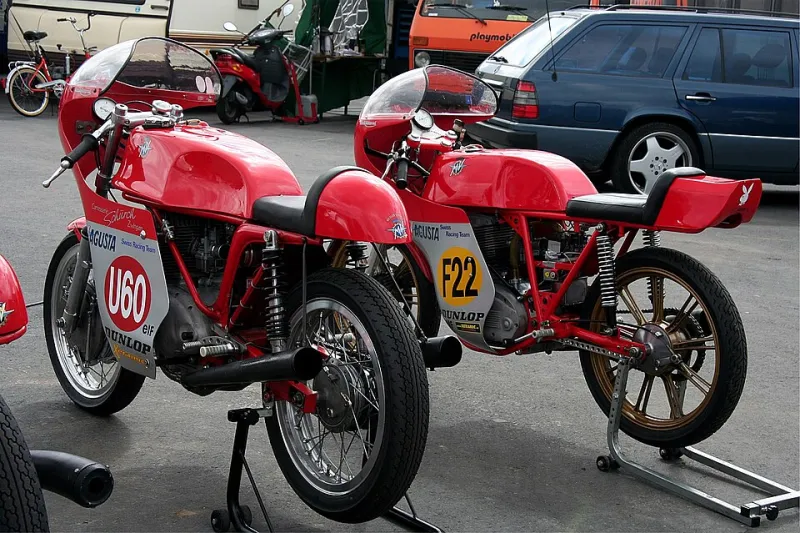
The Museo MV Agusta is the draw for many owners, with racing machines and road bikes that trace the marque's extraordinary history. If you can arrange a visit, take your time. Look at the details: the frames, the fairings, the badges, the engineering that made the name. Stand there long enough and your own bike starts to feel like part of a continuous line rather than a standalone purchase.
Where to stay and when to go
Late May, June and September are the sweet spots. The roads are open, the lakes are lively but not rammed, and the weather is usually kind without being punishing. Avoid August if you can: Italy takes its holidays, the lakes get busy, and the heat can make slow mountain roads tiresome.
Look for bike-friendly hotels with secure parking, especially in Varese itself and around Lake Maggiore. Agriturismi in the surrounding hills can be excellent value and give you a quieter base. Book ahead in the summer, and confirm that parking is off-street, not just a patch of gravel behind a restaurant.
Arriving on your own MV: the etiquette
An MV gets noticed. That is part of the appeal, but it also means you should behave like a guest. Park neatly, avoid revving in quiet villages, and do not block pavements or cafe terraces. Ask before taking photographs of other people's bikes. Treat the factory as a workplace rather than a showroom. The badge opens doors, but it does not buy privilege.
Ride with respect for the locals and the roads. The lake towns are not a racetrack, and the mountain passes deserve caution. The best pilgrimages are the ones where you come home with the bike intact and a head full of memories.
The ride home
On the way back, the bike will feel different. Not mechanically, necessarily, but personally. You will have stood where the legend was built, ridden the roads that shaped it and eaten lunch in a village where the name MV Agusta still means something. That is the point of the pilgrimage. It does not just take you to Varese. It brings something back with you.