Test Day Sanity: Your MV Agusta and the 2026 MoT

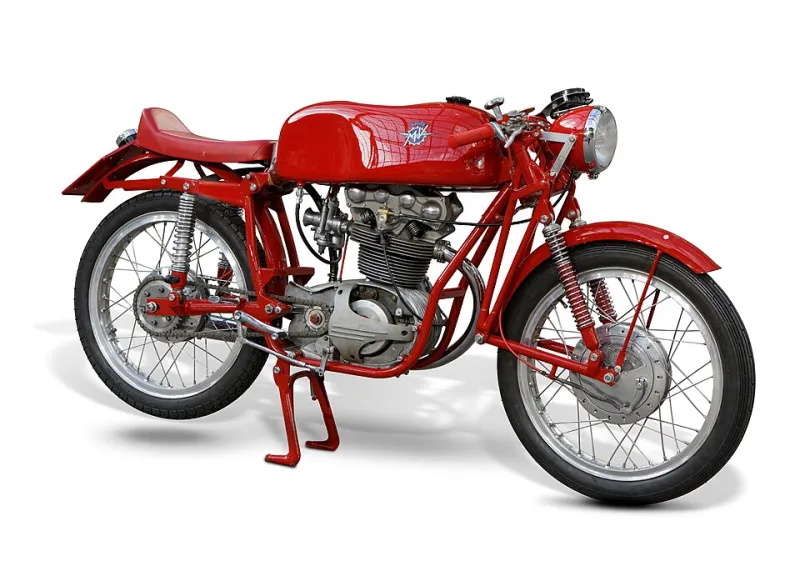
Photo: davidemaggio.it, Public domain, via Wikimedia Commons
The MoT has a way of making otherwise rational motorcyclists feel like they’re about to be judged. You love the bike, you look after it, you ride it properly — and yet a yellow slip of paper can still turn a grown adult into a nervous wreck. Breathe. The MoT is not a referendum on your passion for MV Agusta. It is a yearly safety check, carried out to a national standard, and it is there to keep you and everyone around you safer. In 2026, the fundamentals have not changed: the test looks at whether the machine is roadworthy on the day, not whether it has been treated to a full Varese-spec refresh.
That distinction matters. A beautifully maintained F3 or Brutale can still pick up an advisory for something minor, and a scruffy commuter can sail through if the safety-critical bits are sound. The trick is to prepare intelligently, choose the right test station, and avoid spending money on work the MoT was never asking for.
What the 2026 test is actually looking for
The MoT for motorcycles is a fairly broad inspection of the things that keep you upright and visible: brakes, steering, suspension, wheels and tyres, lights, horn, exhaust, structure, and the general security of components. It is not a service, a dyno session, or a diagnosis of every rattle and whine. The tester is not there to fall in love with your triple or declare your exhaust note the finest in Britain. They are checking whether the bike meets the minimum legal standard for road use.
Since the defect categories were overhauled in 2018, results are split into dangerous, major, minor and advisory. Dangerous and major defects mean a fail. Minor defects are recorded but still allow a pass. Advisories are exactly what they sound like: notes for the future, not a demand for immediate work. Understanding that language stops a lot of unnecessary panic — and a lot of unnecessary spending.
The pre-test walkaround that pays off
A week or two before the test, spend twenty minutes with the bike rather than booking it straight in for a full service. Start with the easy, obvious stuff. Check tyre pressures and tread, look for cuts or bulges, and make sure the tyres are suitable for road use. Look at the brake pads, discs and fluid level; you are not trying to rebuild the system, just make sure nothing is obviously worn out or leaking. Test the lights, indicators, brake light switches and horn. Check the chain tension and lubrication if your model uses one, and make sure the number plate is clean and secure.
Then move around the bike with a torch. Are the fairing panels secure? Are the exhaust hangers tight? Are there any loose fasteners, weeping fork seals, or obvious wheel-bearing play? A clean bike is easier to inspect and easier to respect, but do not spend hours detailing it if the brake light is not working. Fix the safety items first. The MoT is a checkpoint, not a concours competition.
Don’t service the MoT, safety-check it
This is where premium-bike owners can overdo it. Fresh oil, new spark plugs and a valve-clearance check are all lovely things, but none of them will rescue a binding brake or a blown bulb. If the bike is due a major service anyway, fine — but do not let anyone sell you a full overhaul purely because the MoT is approaching. Ask what is actually required to pass, what is being recommended for long-term health, and what can safely wait.
Advisories are the classic trap. A note about slight fork pitting or a tyre approaching the wear limit is useful information, not an emergency. Monitor it, budget for it, and deal with it on your terms. What you should not do is ignore a dangerous or major defect because the bike still feels fast on a dry Sunday morning. Safety items are not optional extras.
Finding a tester who respects the fairing
A local MoT station can be perfectly competent and still be the wrong place for a high-value, fully faired Italian motorcycle. Before you book, ask a few questions. Do they regularly test sports bikes? Do they use paddock stands or suitable lifting equipment? Are they comfortable with faired machines where bodywork needs care rather than brute force? A good tester will appreciate the question. A bad one will be offended by it.
If you are unsure, ask your MV specialist or owners’ group for a recommendation. Sometimes a longer ride to a tester who understands the bike is worth more than the convenience of the nearest garage. When you arrive, be clear about any quirks: immobiliser behaviour, a sensitive sidestand switch, the correct lifting points, or anything that needs a gentle touch. You are not being precious. You are helping them do the job properly.
When the paperwork says dangerous, major, minor or advisory
If the bike fails, read the refusal certificate carefully. A dangerous defect means the bike should not be ridden away; take advice and arrange transport or repair. A major defect is still a fail, but the correct next step depends on the defect and the bike’s existing MoT status. Ask the tester to explain exactly what they found, what needs to change, and how the retest process works. Keep the paperwork. Do not simply ride off and hope for the best.
For minor defects and advisories, ask the tester to show you the issue. A good explanation is worth more than a vague warning. Then decide what to fix now, what to monitor, and what to book in for later. The MoT has done its job: it has given you a snapshot. Your job is to act on it sensibly.
MV-specific details worth a glance
MV Agustas reward attention to detail. Check the battery condition and charging system if the bike has been sitting, especially through a British winter. Look over the electrical connections and warning lights. Make sure the fairing fasteners and exhaust mounts are secure, and that any aftermarket exhaust is road-legal and not marked for race use only. Check the steering head bearings and suspension for play or leaks. None of this is about mollycoddling the bike; it is about catching small issues before they become expensive ones.
And keep the bigger picture in mind. The MoT is one day. The rest of the year is yours. Prepare well, choose a tester who respects the machine, and treat the result as useful information rather than a personal verdict. Ride the art. Own the legend.